He’s Got It: Style Icons Through The Ages
Men’s style has evolved dramatically over the decades — shaped by cinema, music, culture, and social change. With each time, men stepped up and stepped out - from actors to musicians to public figures and all eyes were on what he wore, driving sales and trends long before Instagram and TikTok were even a thing.
Whilst clothing certainly changed, style never went out of fashion. Not easily defined, whatever the era, these men had several things in common: individualism, a sense of knowing what suited them, an effortless ease and confidence - not arrogance but just exuding an air that they really couldn’t be bothered if you liked them or not.
Whilst it may be 2025 and an era when not looking put-together is fashionable, here we are wondering how we can still up our game and dress to impress - but look like we haven’t. From the refined tailoring of the 1940s to the confident, modern elegance of the 2020s, here’s a quick decade-by-decade journey through the men who defined fashion and looked pretty bloody cool doing it. Take your pick.
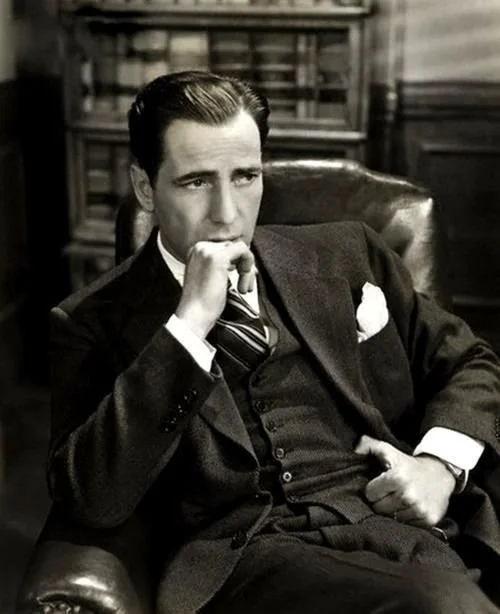
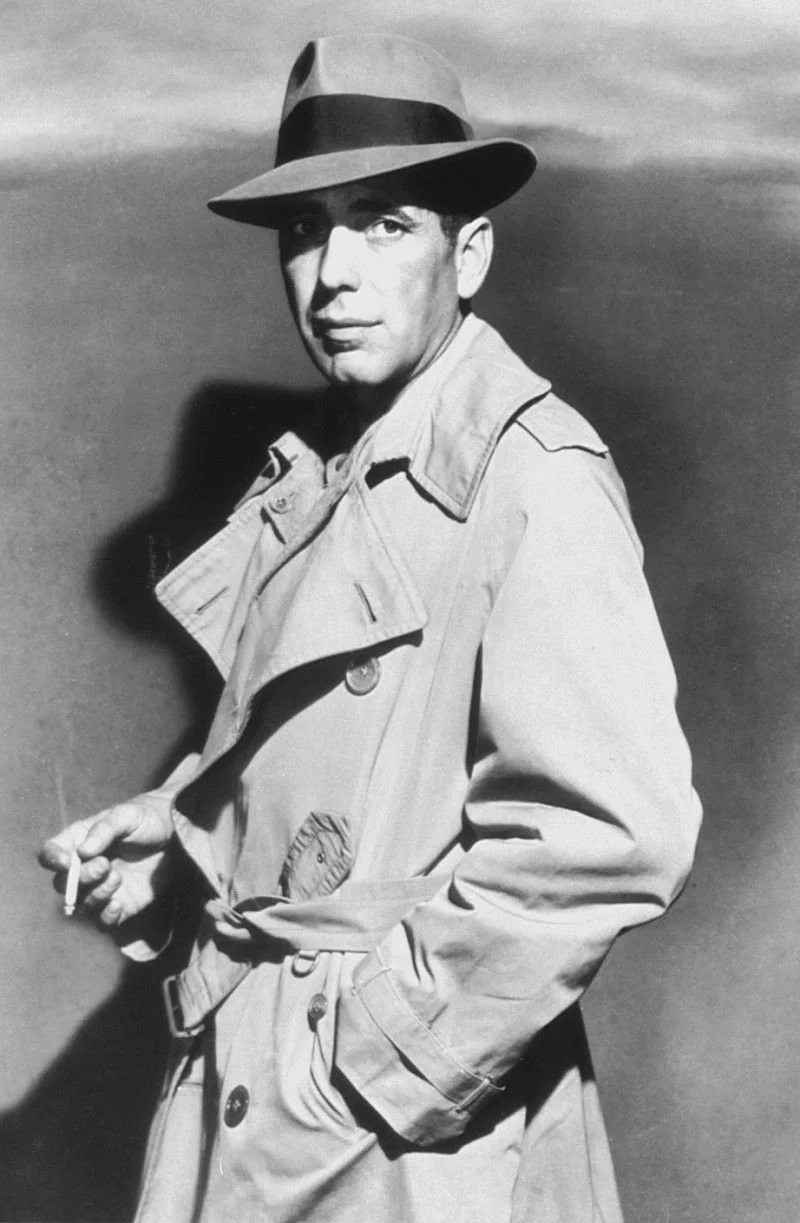
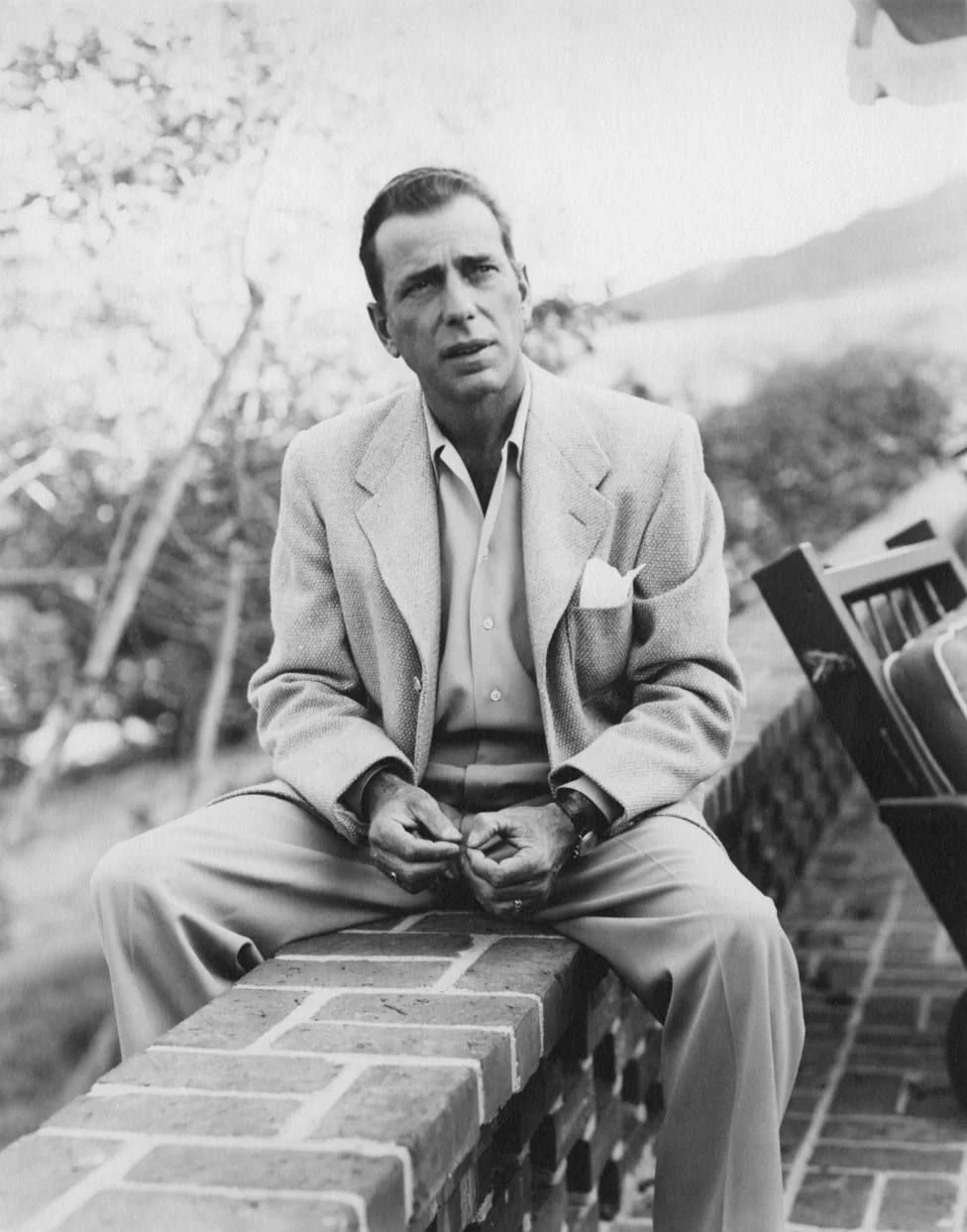
1940s — Humphrey Bogart: The Birth of the Modern Leading Man
Ah, the Forties. A time when style and smart menswear ruled supreme. Whilst wartime austerity pushed menswear toward simplicity and durability, Hollywood still exuded glamour. It gave everyone something to lust after, hope for and aspire to - and no man did that better than Humphrey Bogart. His understated style soon became a major influence on how the working-class man dressed - presenting the look of luxury, wealth and accomplishment, re-defining male identity in post-war Britain. Quiet Luxury before it was known.
Signature style:
Structured suits
Trench coats and fedoras
Crisp shirts and muted tones
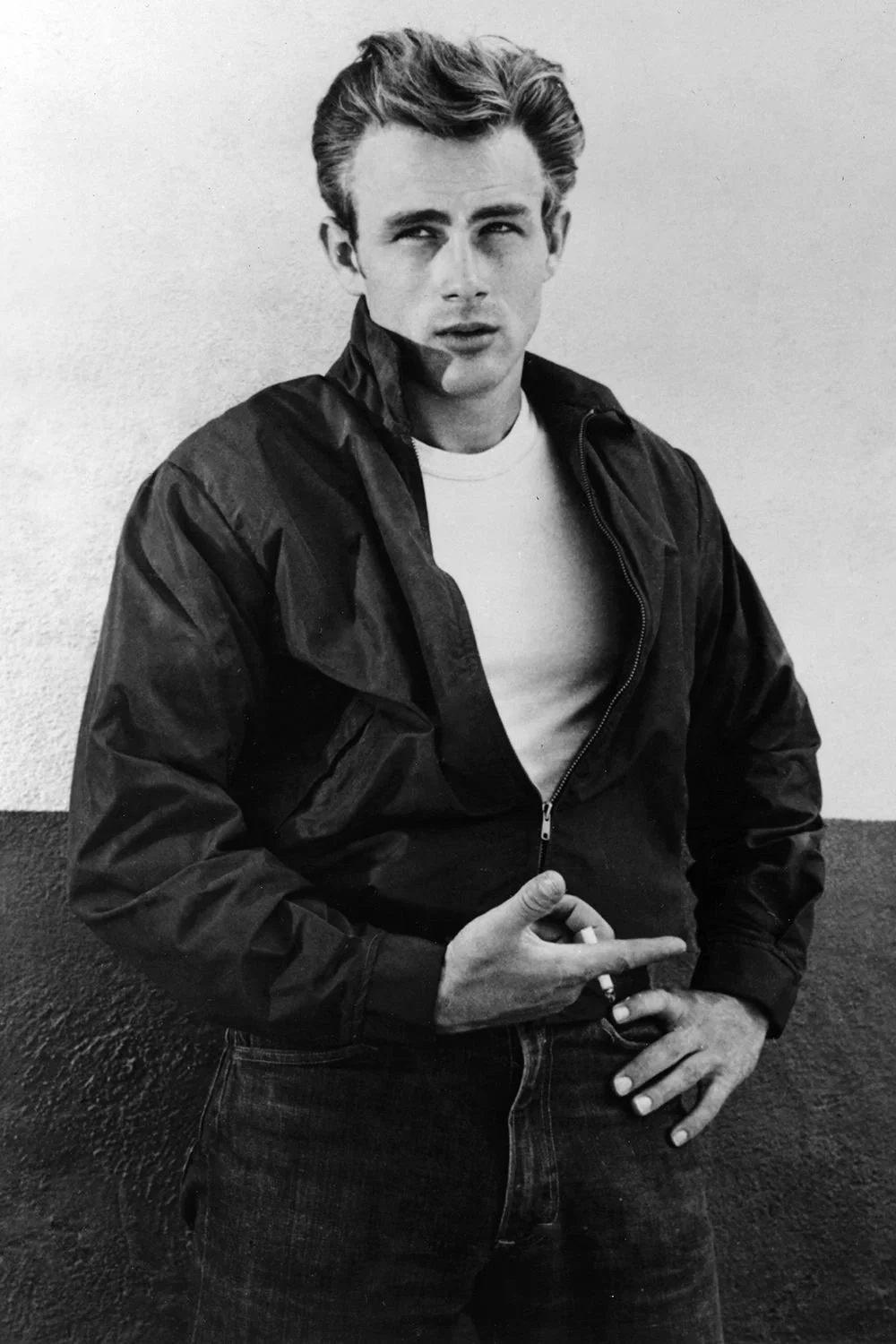
1950s — James Dean: The Original Rebel
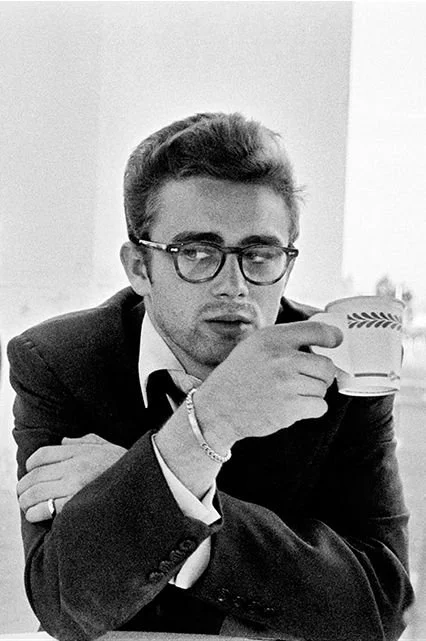
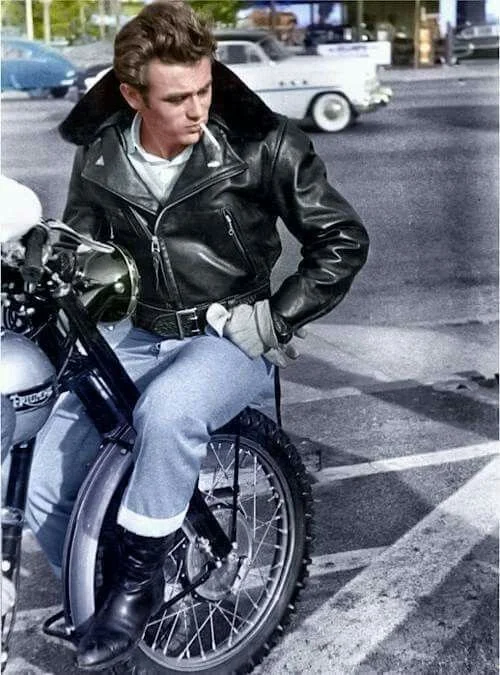
The post-war youth movement needed a visual language, and James Dean supplied the demand. Despite his tragic demise, he’s still serving looks today with a million teen Tiktokers trying to emulate his looks without even knowing it. The original cool boy, Dean lived life on his terms and that included his wardrobe.
Signature style:
White T-shirt
Leather biker jacket
Blue denim
Effortless, nonchalant cool (note - not arrogant, pouting selfie pose: to be this cool you really need to not care about follower count at all. Think more privacy and mystery than put-it-all-out-there. Yep, truly nostalgic).
1960s — Steve McQueen: The King of Cool
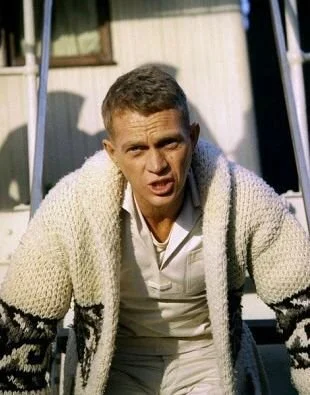
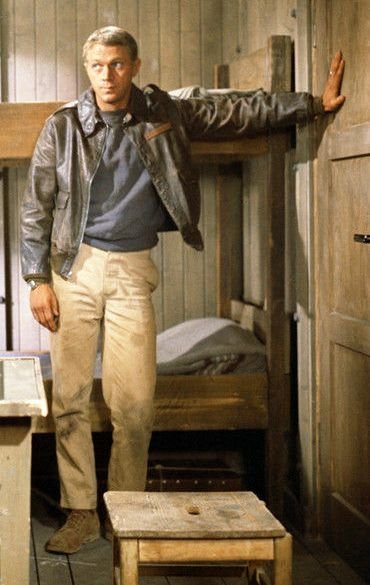
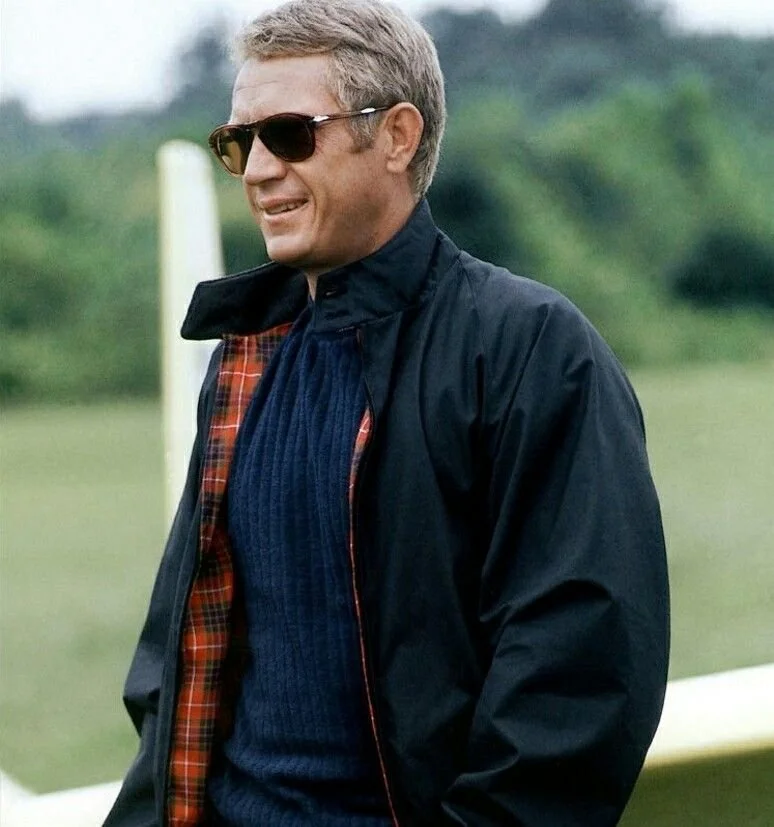
Probably your Mum’s favourite, but not without good reason. Modernism defined the 60s, and Steve McQueen embodied its sleek practicality with a bit of edge. He looked like you could do you a business deal in a fine-dining restaurant whilst simultaneously meet you in the car park for a punch-up. This was peak modern masculinity in the era of The Magnificent Seven vs. James Bond.
Signature style:
Slim-cut trousers
Harrington jackets
Roll-neck jumpers
Minimalist accessories
1970s — David Bowie: The Ultimate Style Chameleon
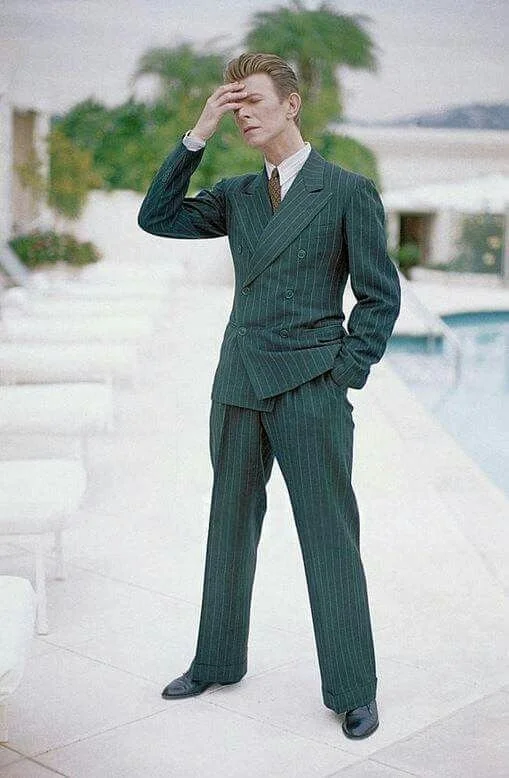
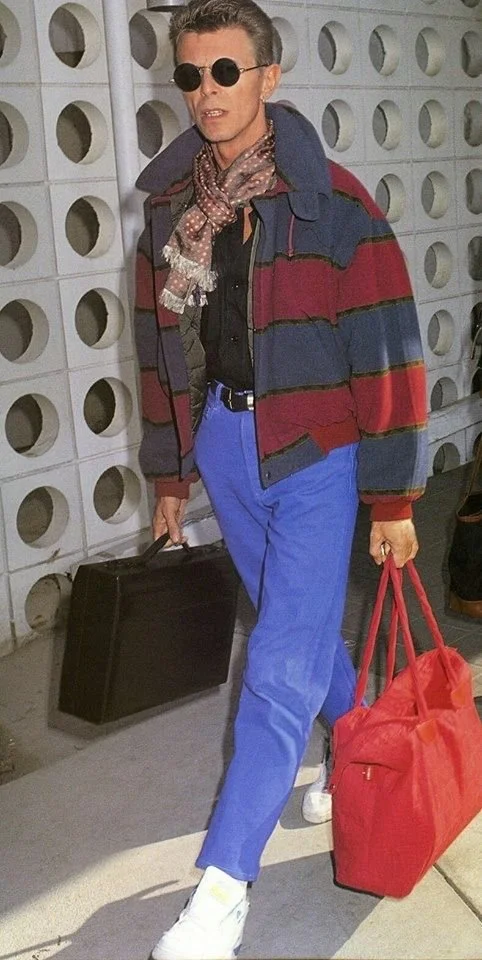
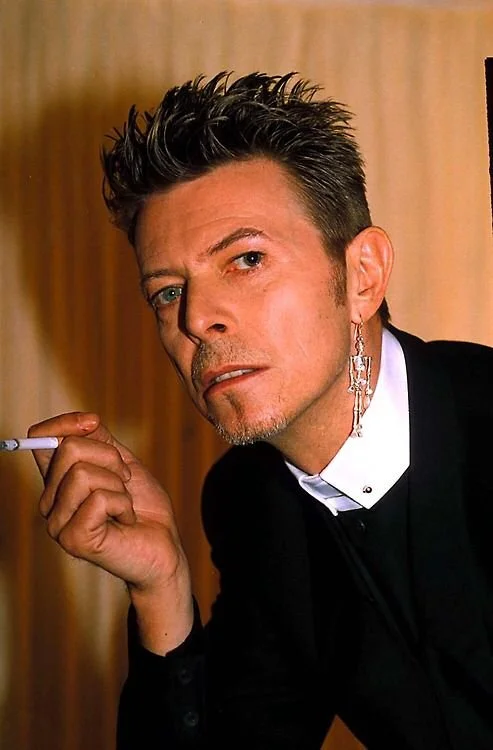
Few figures reinvented themselves as radically as David Bowie. Towing a fine line between masculinity and femininity, this was a time when being individual was everything. Menswear became heavily influenced by the music scene, as it evolved into a theatrical style that Bowie knew just how to work. Women loved him, and even the most stereotypical men secretly idolised him for his ability to dress however the hell he wanted and still make it look good.
Signature style:
Glam rock boldness at it’s best.
Gender-bending silhouettes - not dresses and skirts but slim-fit, flared lines and accessories.
Sharp tailoring - knowing your body type. Bowie dressed knowing what suited him, leaning into his look and maintaining hints of formal wear.
Dazzling colour and texture - metallic, striking - anything but boring.
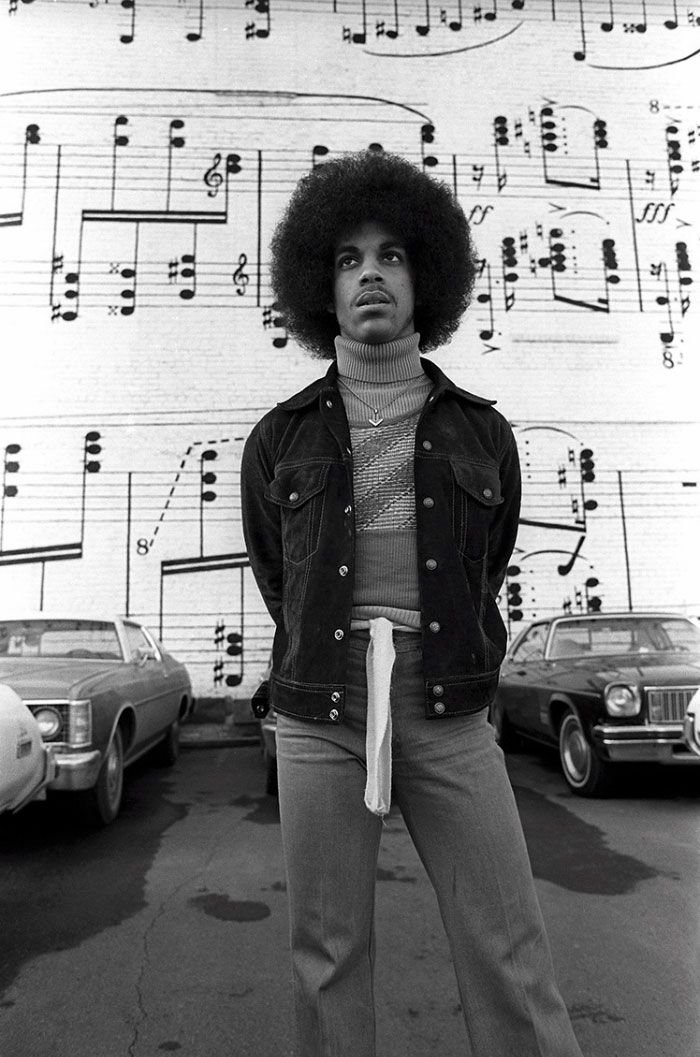
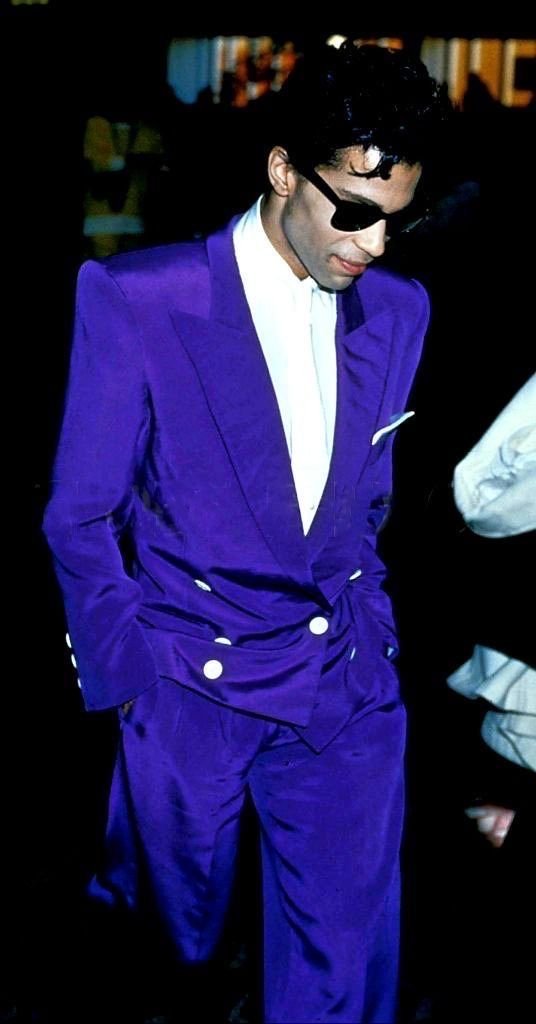
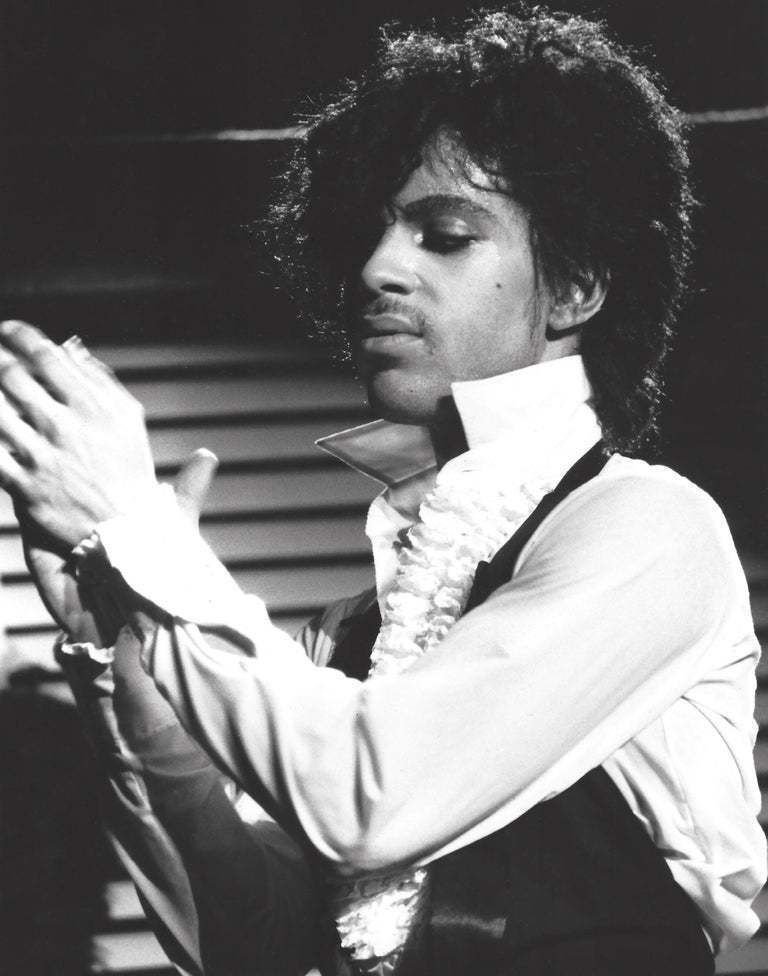
1980s — Prince: Bold, Eclectic, Unapologetic
The 80s pushed extremes, and Prince was it. With nods back to Seventies styling, he wasn’t afraid of embracing the fashion of the Eighties and he really didn’t give a f*ck what anyone thought of it. As men’s fashion entered the New Romantic era, Prince was all romance and a hell of a lot of sex appeal. Like those before him, it was individual and creative.
Signature style:
High-heeled boots - not for everyone but elevation can go a long way in the style stakes.
Lace, ruffles, and velvet - feminine touches and textures alongside masculine tailoring.
Vivid purples and bold shapes - block colouring in rich hues.
Tailored flamboyance - shoulder pads and gold double-breasted buttons.
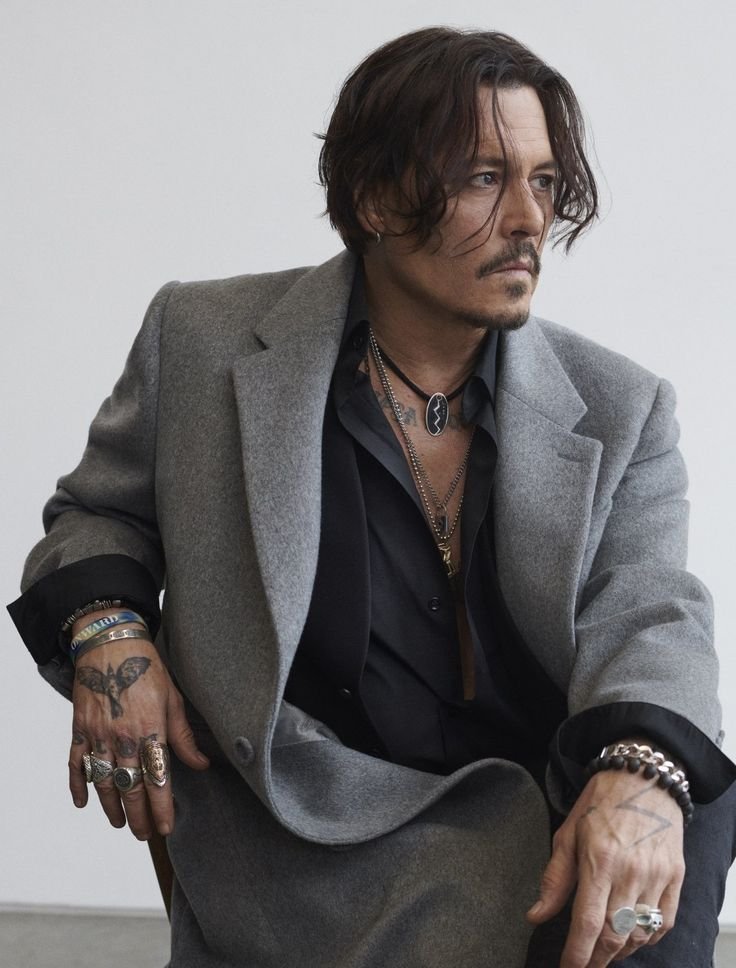
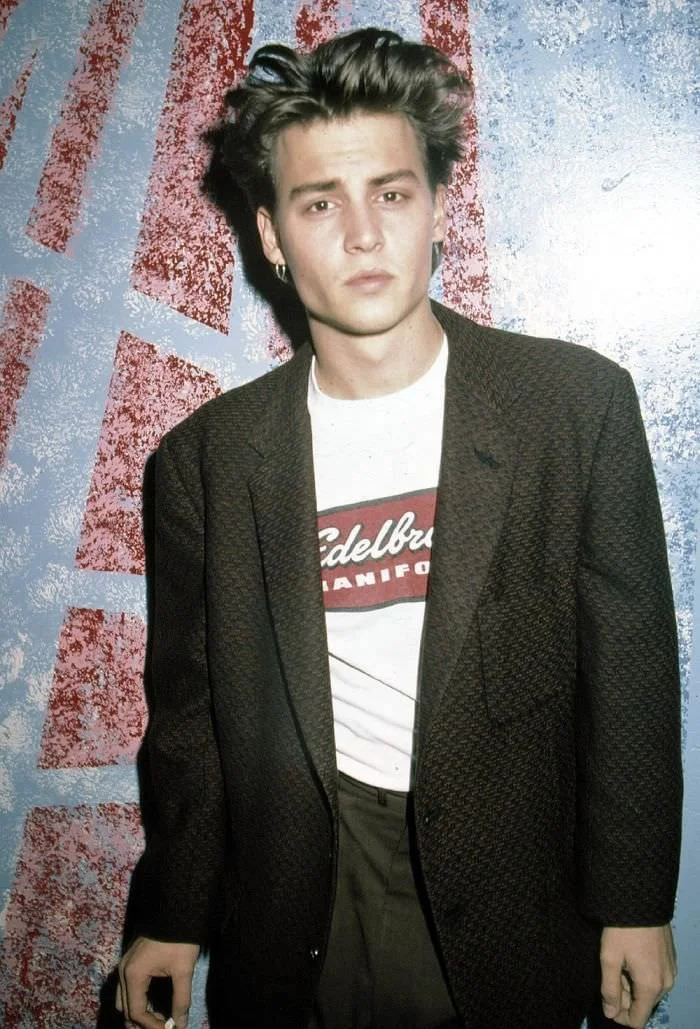
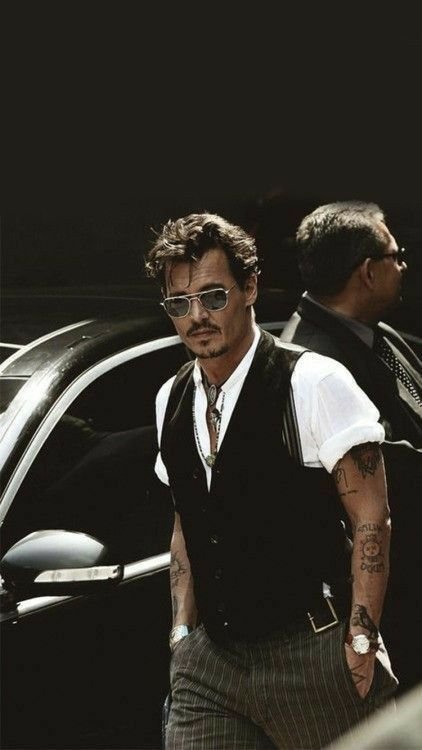
1990s — Johnny Depp: Grunge, Artistry & Bohemian Cool
The 1990s pin-up Johnny Depp. With pretty boy looks, Depp ruled as man-of-the-moment with just a hint of nasty. Signature graphic t-shirts, chunky silver jewellery, tattoos and the heady scent of party nights. A little bit alternative, very festival, today he’s still serving peak grunge style.
Signature style:
Vintage-inspired tailoring including large lapels and baggy blazers balanced against casual t-shirts. Suit trousers and trainers or biker boots.
Layered necklaces and accessories - the more edgy and vintage the better. No plastic crap.
Boots, worn-in denim, boho shirts - cowboy meets art
Messy hair and effortless cool - looking like you just woke up in someone else’s house, because you probably just did.
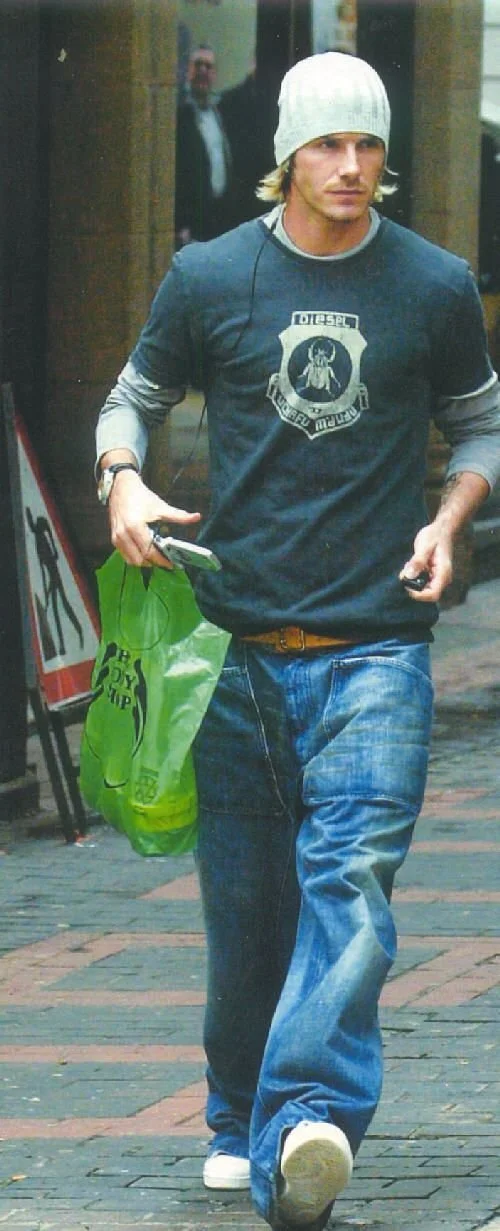
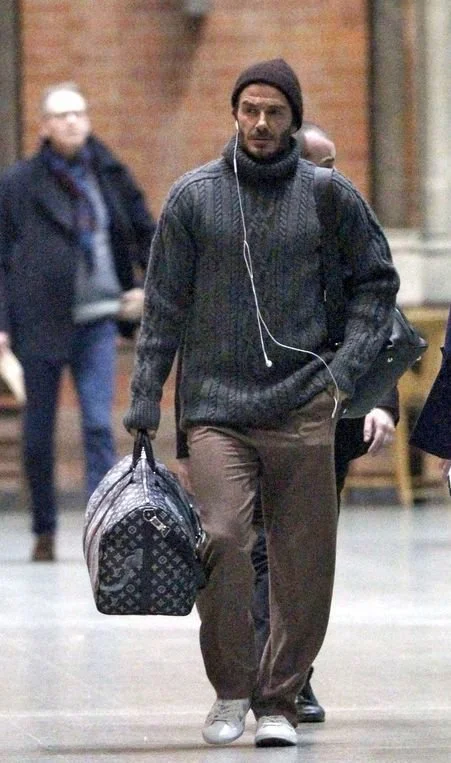
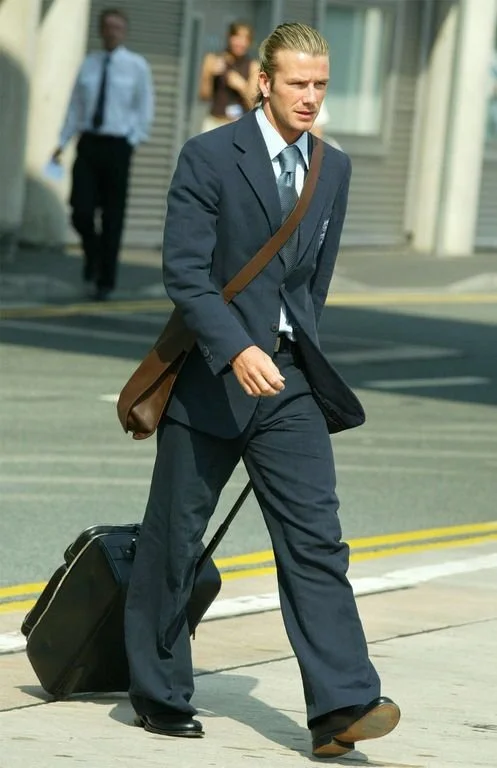
2000s — David Beckham: The Metrosexual Era’s Leading Man
The 2000s blurred the line between fashion and sport, with David Beckham at the centre. Footballers became the new celebrities and Beckham was at the forefront. Striking on the field and off, he’s always been comfortable in trying new fashions - some more iconic than others (remember the double denim?). As streetwear became more mainstream and lads’ mag culture exploded, David showed that taking care of your appearance and caring about what you wear didn’t make you any less of a man.
Signature style:
Sharp suits - classic, pinstripe, well-fitted.
High-low mixing of streetwear and designer looks
Constant hair reinvention - long, short, shaved.
Fresh, polished grooming - carefully styled stubble, simple accessories and aftershave.
2010s — Pharrell Williams: The Era of Elevated Streetwear
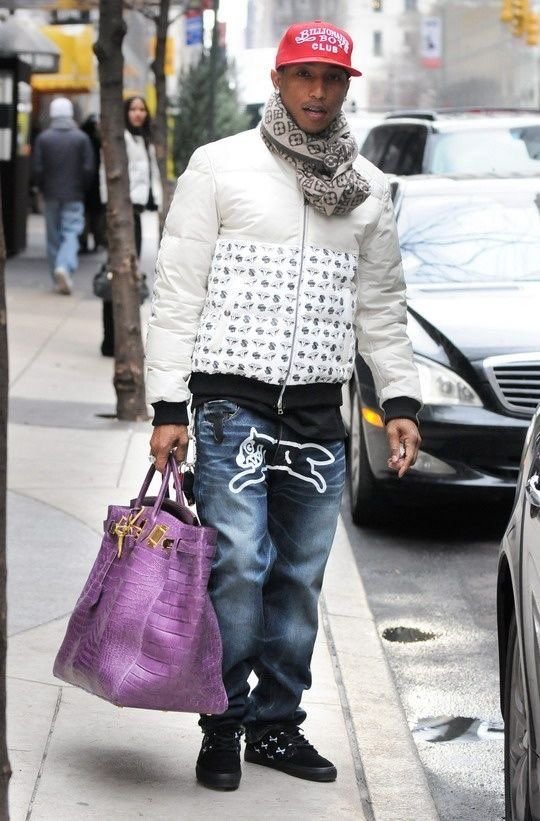
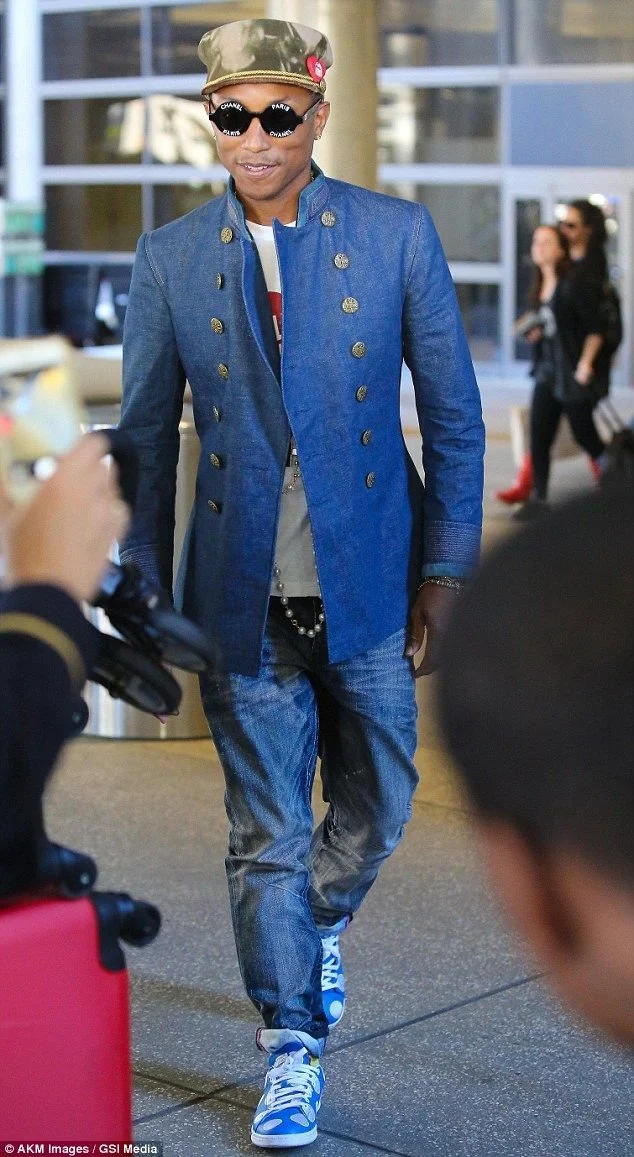
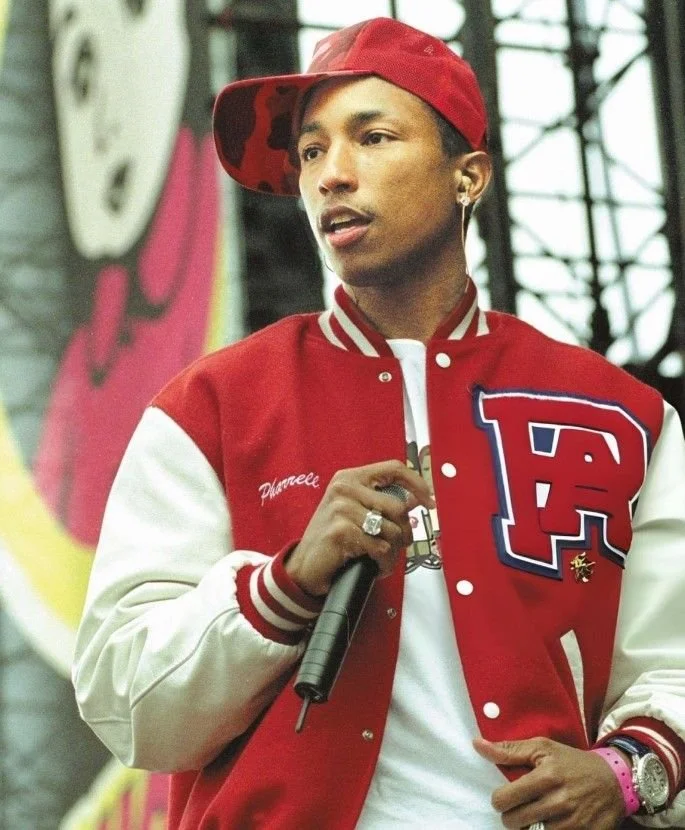
The 2010s marked the rise of luxury streetwear and playful minimalism, and at the front was (and still is) Pharrell Williams. From iconic streetwear staple, to creative, independent brands, he continues to take streetwear to another level and embody creative style.
Signature style:
Bold hats - high, low, if it works it works.
Colourful streetwear - varsity jackets, hip-hop collaborations and branding
Gender-neutral silhouettes - everything is masculine but with a hint of pretty.
Designer collaborations - highlighting cross-culture, cross-brand influence with original names.
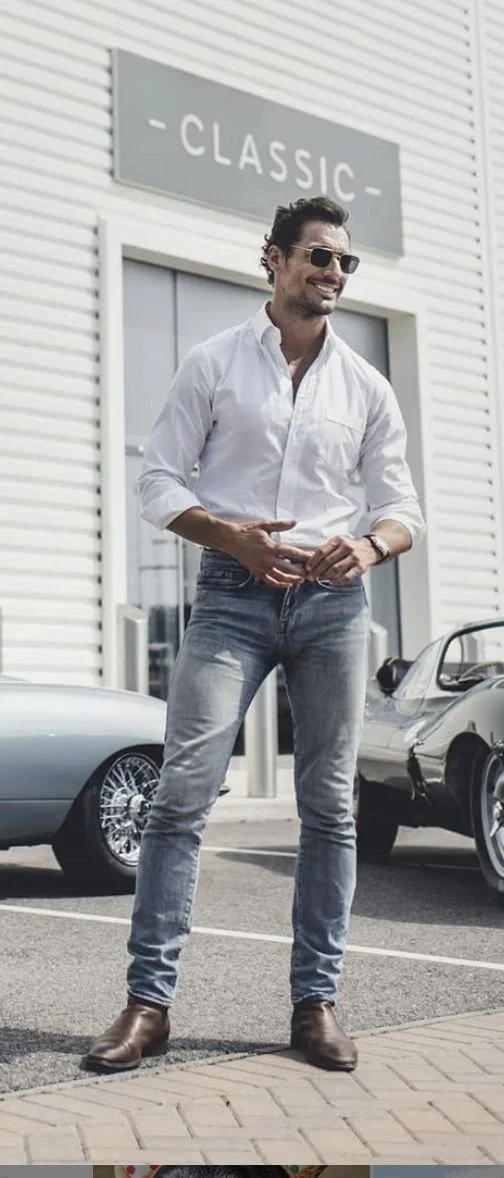
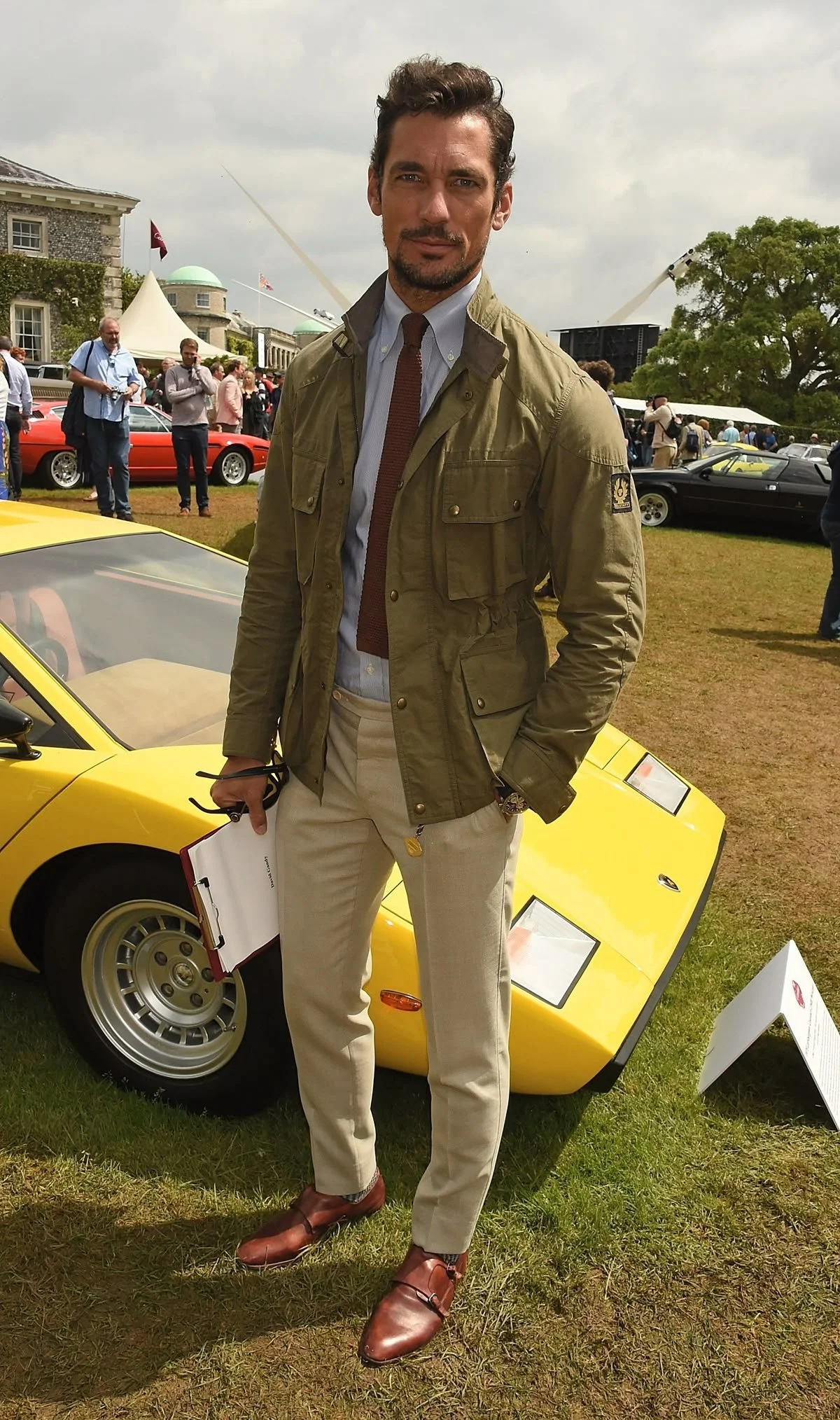
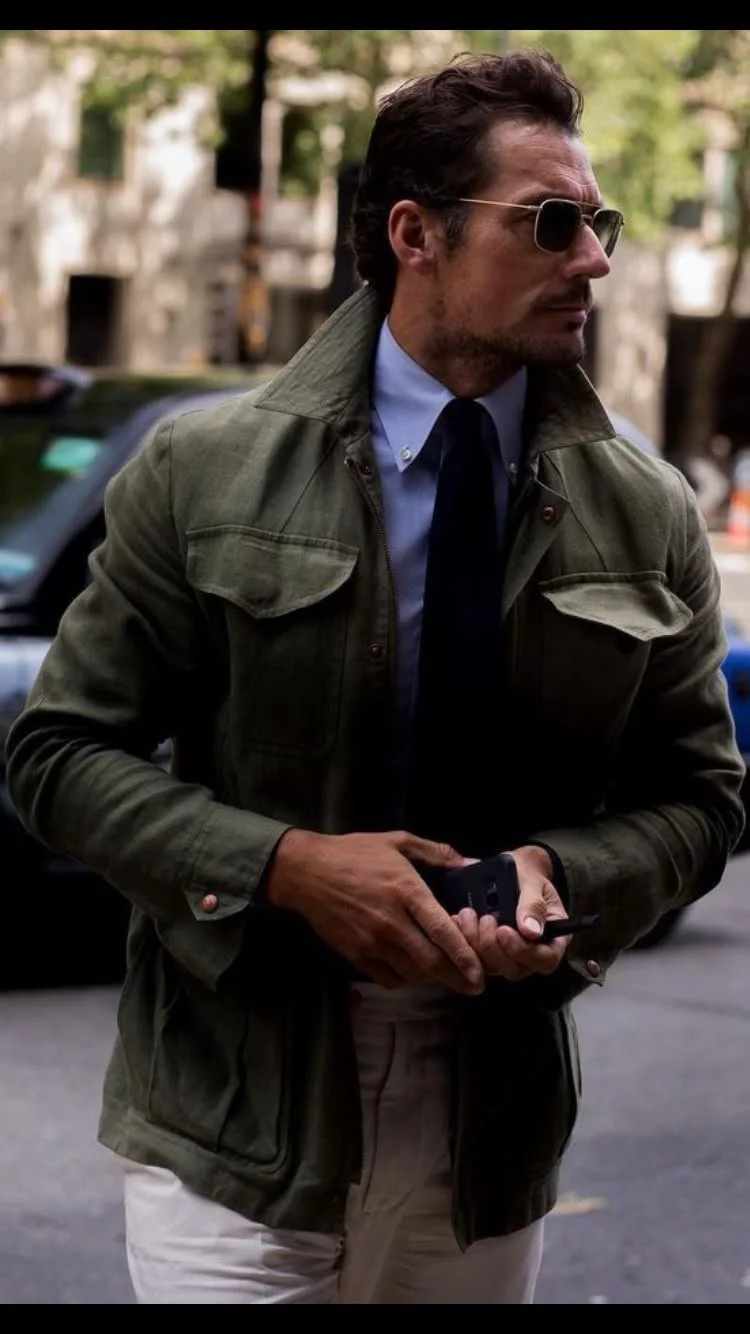
2020s — David Gandy: Timeless Elegance Meets Modern Refinement
And just like that, we start going round again. In rebellion to the widespread streetwear influence, polished elegant dressing is back and David Gandy knows it well. Chinos, white shirts, shoes (no trainers here) and jackets bring back old-school style at it’s best.
Signature style:
Impeccably tailored suits
Neutral tones with classic cuts - you wear the clothes, they don’t wear you.
Refined casual wear like cashmere jumpers and chinos - Old Money dressing is back.
Timeless accessories like leather shoes and watches. Quality over quantity.