Carbon vs. Consumerism: The State of Fashion 2025
In recent years, the fashion industry has promised a cleaner, leaner future — one stitched together with renewable energy, circular systems, and science-based climate targets. Yet the latest State of Fashion 2025 report from McKinsey, lands like a cold draught through an open warehouse door. It reveals an industry drifting off course, even as the clock ticks loudly toward 2030 climate deadlines.
One of the report’s starkest warnings is this: apparel consumption is projected to rise by 63% between now and 2030, pushing global demand to an eye-watering 102 million tons of clothing. More clothes, more fibres, more factories, more energy. You got it, more, more, more - like we are trying to fill some internal void with aesthetics and materialism.
If current trends persist, fashion could swallow over a quarter of the world’s remaining carbon budget by 2050 — the allowance we must stay within to avoid the worst climate outcomes (which in case you aren’t aware, aren’t just deforestation but total destruction and widespread death).
Despite the rising urgency, decarbonisation efforts across many sectors have stalled. According to the report, nearly two-thirds of brands are behind on their climate commitments, a reversal from just a few years ago when sustainability rose confidently up the corporate priority list. Now, in an era of inflation, supply chain instability and profit pressure, sustainability has slipped down the agenda. Only 18% of fashion executives identify sustainability as a top-three priority — down from 29% the year before. Are we going backwards?
The obstacles are familiar yet unresolved. Global supply chains remain fragmented across hundreds of factories, fibre mills and chemical processors, many of which still rely on coal-based energy. Renewable energy access in major manufacturing hubs is limited or unaffordable - or may be just feels like too big a hurdle to manage. Brands often lack visibility into Scope 3 emissions, which represent the majority of their climate impact yet remain the hardest to measure. And, crucially, investment has thinned: decarbonisation requires capital, and capital has lost its nerve.
There is also the consumer paradox. Shoppers increasingly express concern about climate change, yet purchasing behaviour tells a different story. Many say they want low-impact products — but few are willing to absorb the price premium that comes with cleaner materials, ethical labour and slower production cycles. Brands interpret this as market reluctance, reinforcing the status quo. In reality, sustainable choices remain a privilige afforded to the comfortable and well-off. With increasing austerity, higher taxes and a continuing Cost-of-Living crisis, is it any wonder? The math ain’t mathing.
So where does this leave us? The report emphasises a need for collective action: shared investment in cleaner manufacturing, harmonised sustainability regulations, and more rigorous emissions reporting. Without industry-wide alignment, individual brand efforts can only stretch so far.
For consumers, the message is clear but empowering: our choices still matter. Demand shapes production. VOTE WITH YOUR FEET. Transparency pressures brands. Supporting low-impact collections, opting for secondhand, buying less but better — these actions ripple outward like a wave in a no-longer decreasing ocean.
The carbon countdown is real. Fashion’s climate future is not yet written, but the margins are narrowing. This is a moment to ask uncomfortable questions — of brands, regulators, and ourselves—before the carbon budget becomes one more resource the industry has quietly overspent.
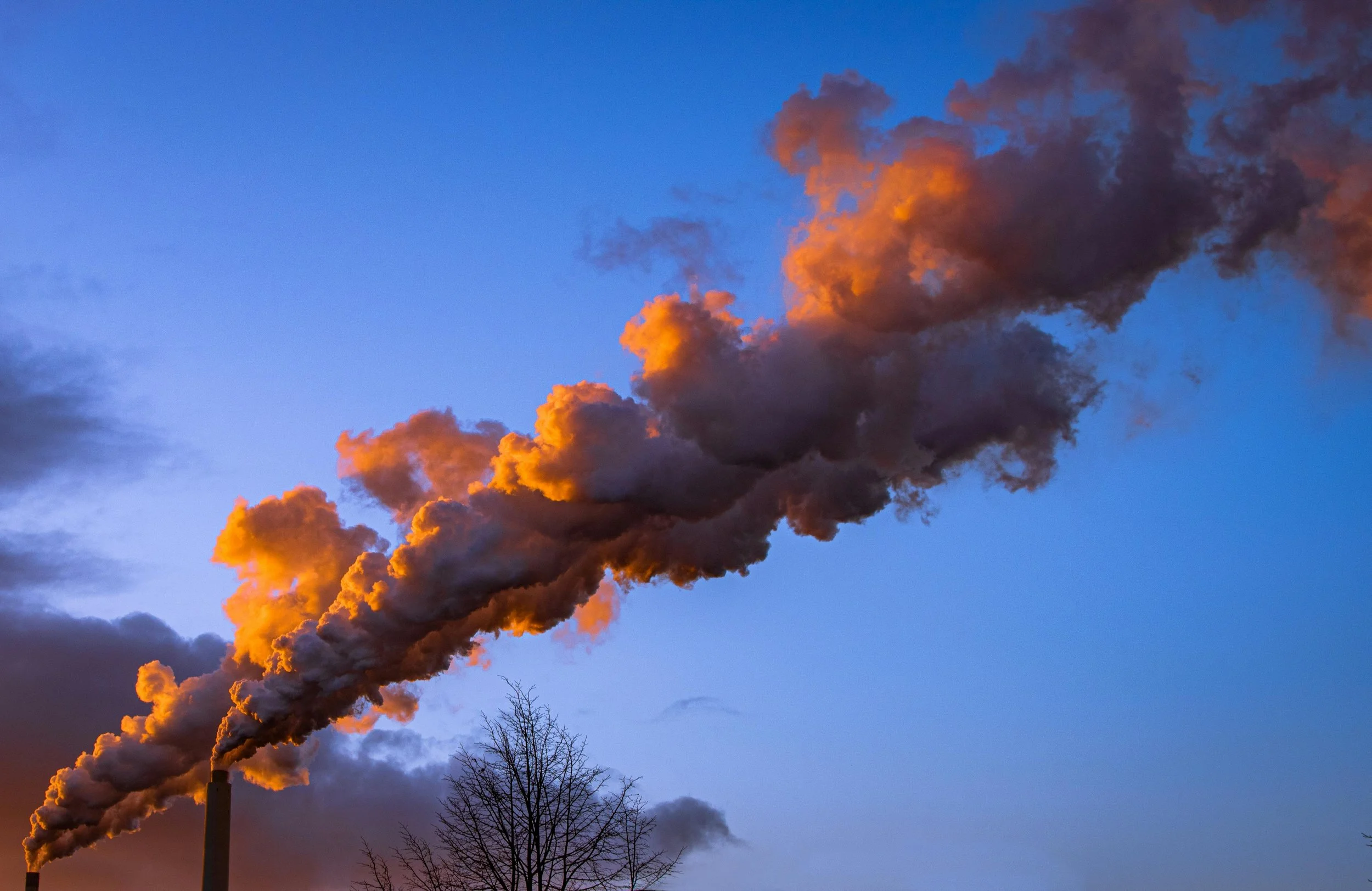
Look’s pretty but it isn’t.