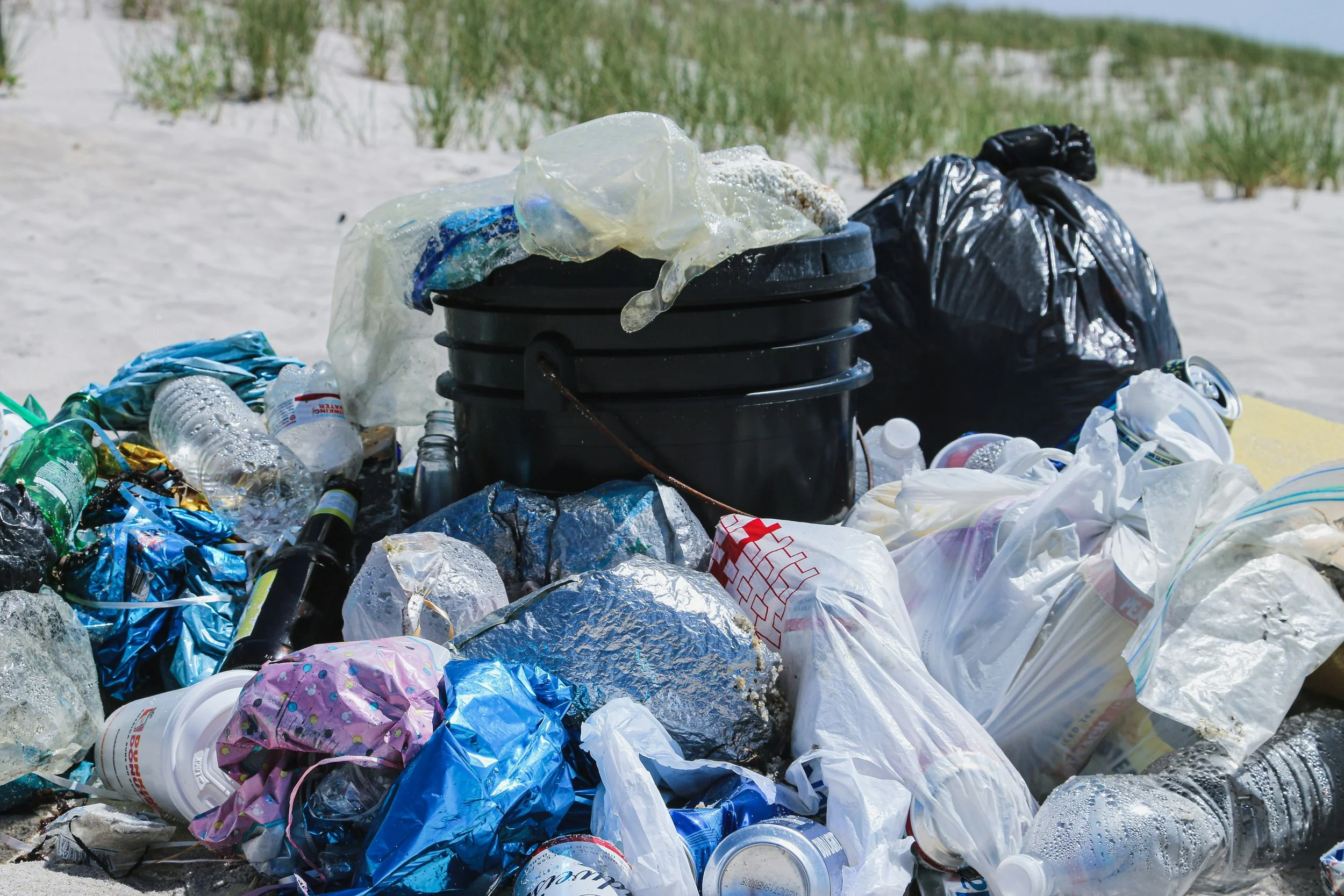
Dumped: Washed Up Fashion
We’ve got a problem - fashion goes around in circles but reinventing styles from the past is way more ironic than many of us realise.
Remember that night a year or two ago - you’d just bought something new for that big night out. Top, dress, jacket, shirt - whatever it was, in that moment on that night, it was everything. When you put it on, you felt good. It was gonna be a great night.
And then fashions slowly waned, you moved on and that top you had fell to the back of the wardrobe. Eventually it was thrown away, maybe now a bit faded and worn but off it went. No matter: it didn’t cost much. Once it was gone, out of sight, you forgot it. Like a short-lived love affair, you quickly moved on to the next thing.
Well like some long-lost slightly-creepy stalker obsessive, your top didn’t take the break-up well. And it’s been festering, brewing and eeking toxic polyester plastic vibes ever since - on a beach on the other side of the world.
Washed up and unwanted.
Fashion’s waste problem - that is the clothes we throw out and the ones which get made and never sell - is not “out of sight” It’s being pushed thousands of miles away. Piles of discarded clothes from the Global North are washing up on Ghana’s beaches and filling wetlands, clogging drains, damaging fisheries and undermining livelihoods in communities that never asked to be the world’s landfill. (The Guardian)
The numbers are stark. Kantamanto — Accra’s massive second-hand clothing market — handles millions of garments every week; some reporting puts arrivals at roughly 15 million items weekly, and exporters send the market more than 1,000 tonnes of clothing each week. Yet local waste-management systems can only cope with a fraction of the fallout. In Accra, around 100 tonnes of textile waste reportedly flow out of markets each day while municipal systems collect and process only about 30 tonnes — the rest ends up in open drains, lagoons and coastal areas. (The Guardian)
Why does this matter beyond ugly beaches?
Many of the clothes arriving are synthetic or blended fibres that don’t bio-degrade. Tests and investigations have shown that a very high share of clothing in Ghanaian dumpsites is made from plastics — Greenpeace’s field testing found synthetic fibres in nearly 90% of discarded items — meaning those garments fragment into micro-fibres that contaminate soil, rivers and seafood, and enter human food chains. Yes, your last haul from Shein or Boohoo is literally poisioning the earth. The environmental cost is compounded by human costs: informal waste pickers, market traders and coastal fishers bear the health and economic consequences. (Greenpeace)
This flow of garments is driven by consumerism in wealthy countries. “Take-back” programmes, charity donations and exported bales of unwanted fast fashion are frequently pitched as circular or charitable solutions — but a growing share of what leaves wardrobes in the Global North arrives already worn out or unsellable and becomes someone else’s problem. Estimates suggest hundreds of thousands of items a week end up as waste around Accra, and annual figures for used-clothing exports to countries like Ghana run into the hundreds of thousands of tonnes. (TIME)
The result is a clear moral imbalance: consumers and brands in wealthy countries benefit from low-cost, high-turnover fashion while the environmental and social bill is paid by vulnerable communities in the Global South. Beaches smothered in polyester, blocked drains causing floods and disease, and markets and livelihoods destabilised by unusable imports are all symptoms of a system that externalises harm. (Pulitzer Center)
If the fashion industry means to call itself “sustainable,” accountability must follow: stricter controls on exports of unusable textiles, real producer responsibility for product lifecycles, and stronger support for local circular economies and waste infrastructure in importing countries.
What does this mean for you and that once-loved fit?
We can’t undo what’s been done - I’m not suggesting we hop over to Ghana and start beach-combing for that long-lost shirt. But next time you shop, understanding what is likely to happen to your clothes once you are done with them would be a huge start.
Choosing items which are less dependent on fleeting fashion trends, wearing clothes again and again (and not being worried what other’s think about that!) plus purchasing more sustainable items designed to last (where you can), will make a difference in the long-term. Find out how your favourite brands process un-sold stock, what exactly they do with the clothes you return in their green programmes - and decide accordingly.
The clean beaches and secure livelihoods of Ghana — and many other communities — depend on it.